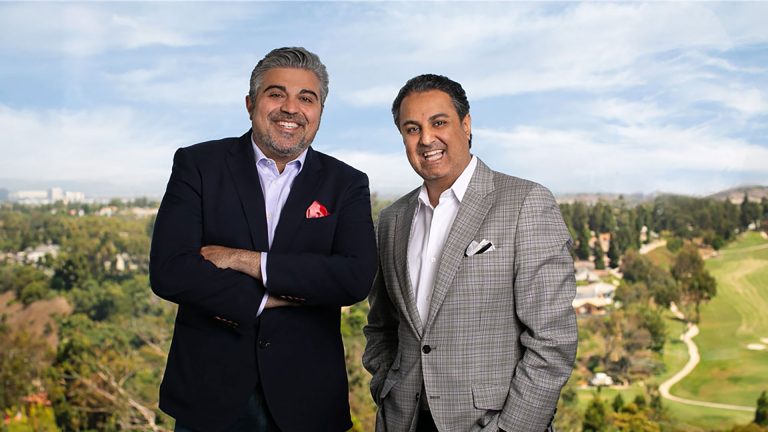

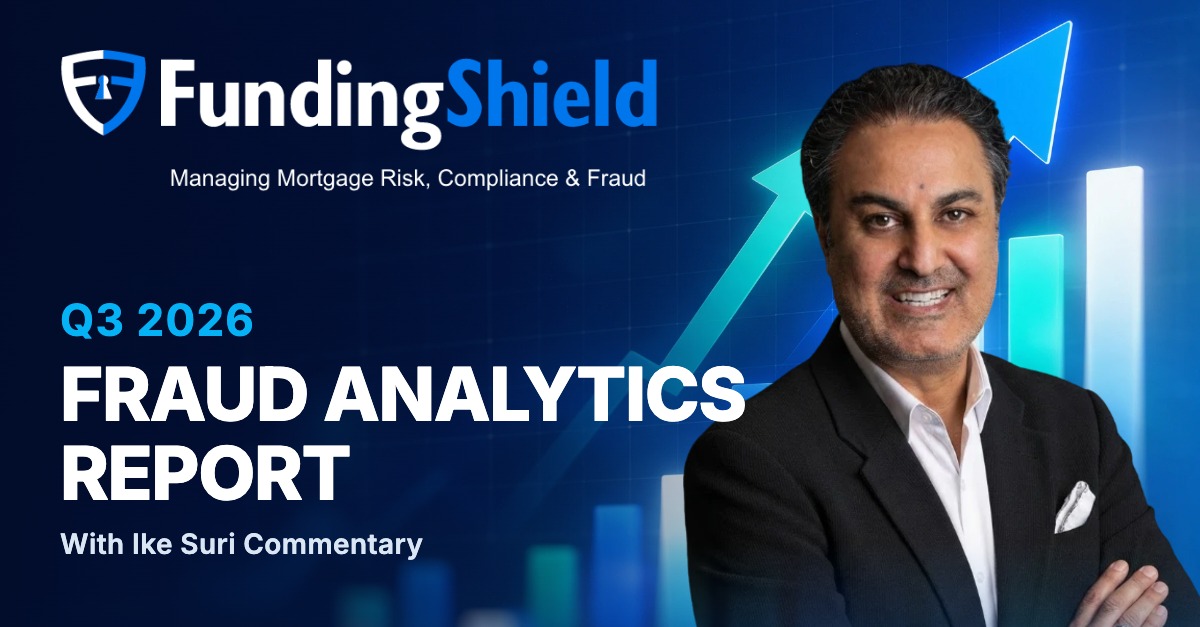
“It is our pleasure to share our company’s Q3 2026 Fraud Analytics & Risk Report. Our Q3 findings underscore the importance of independent verification, real-time source data, and remediation before funds move. As technology accelerates transactions, institutions need controls that deliver measurable protection and auditable evidence.”
— Ike Suri, Chairman and CEO, FundingShield
Executive Summary
During Q3 2026, 45.91% of transactions within a portfolio exceeding $108.7 billion, spanning residential, commercial real estate (CRE), non-QM, and securitized collateral, were flagged for discrepancies presenting potential wire and title fraud risks.
Affected transactions averaged 2.3 issues per loan, including Closing Protection Letter (CPL) discrepancies, wire-instruction defects, licensing irregularities, and identity- and payoff-related concerns.
Risk can arise across multiple parties, systems, and data sources within the same transaction.
Reported category metrics included:
- 47.8% CPL-related discrepancies
- 6.0% wire-instruction defects
- 1.6% licensing irregularities
- Additional identity and payoff-related risk indicators
Key Risk Metrics: Quarter-over-Quarter Comparison
Q3 2026 vs. Q2 2026
FundingShield’s preliminary analysis reported the following increases from Q2 to Q3 2026, expressed in percentage points:
- CPL issues: +0.87 percentage points
- CPL validation issues: +0.98 percentage points
- Licensing issues: +11.5 percentage points
- Insurance issues: -9.35 percentage points
Transaction information can change or become compromised between initial validation and the movement of funds.
CEO Commentary
Artificial intelligence, institutional consolidation, and economic pressures are changing how the mortgage industry operates. Each reinforces the need for verified data, accountable controls, and measurable return on investment.
Artificial Intelligence and Auditable Automation
“AI offers opportunities to improve productivity, lower costs, and accelerate decisions. Those gains must be accompanied by controls over data access, identity, and authorization.”
— Ike Suri, Chairman and CEO, FundingShield
Where AI agents participate in origination, underwriting, settlement, or payment workflows, institutions should verify both the information being processed and the authority of the person or system initiating an action.
Consequential actions should be authenticated, recorded, and subject to intervention before funds move.
Consolidation and Asset Quality
“As mortgage businesses consolidate and portfolios grow, the integrity of underlying loan data and operational controls deserves the same attention as financial performance.”
— Ike Suri, Chairman and CEO, FundingShield
Buyers and investors should assess technology infrastructure, third-party relationships, source data, and transaction controls alongside origination capacity and asset performance.
Fragmented systems and inconsistent vendor oversight can make vulnerabilities harder to detect as platforms scale.
Digitized verification records can support diligence from origination and closing through warehouse financing, investor delivery, servicing, securitization, and capital markets.
This evidence can improve transparency, support collateral assessment, and help institutions make better-informed investment decisions.
Efficiency and Effective Controls
“When margins are under pressure, technology must deliver transparent ROI through lower processing costs, faster exception resolution, and stronger protection.”
— Ike Suri, Chairman and CEO, FundingShield
When origination volumes decline, fixed costs are spread across fewer transactions. Efficiency becomes more important, but weakening controls can introduce additional exposure.
Technology investments should be assessed against measurable improvements in processing time, manual workload, compliance, and risk reduction.
Independent Assessments and Transaction Verification
A third-party risk rating can help prioritize attention, but it reflects information available at a particular point in time.
Even a highly rated closing agent can experience compromised credentials, altered wire instructions, impersonation, or unauthorized account changes.
“A vendor should not be paid by the parties it is engaged to assess or rate. Institutions should ensure their vendors avoid these conflicts and disclose compensation arrangements, commercial relationships, and assessment methodologies.”
— Ike Suri, Chairman and CEO, FundingShield
Institutions need to vet, verify, and validate source data, identities, and authority as transactions unfold, with documented exceptions and timely remediation.
FundingShield and the Mortgage Lifecycle
FundingShield has evolved into an embedded cybersecurity and transaction-risk infrastructure layer helping institutions manage risk, compliance, and fraud through proprietary technology and real-time source data.
Guardian, WAVS, TitleKnight, and PaymentShield support verification and risk controls around closing and payments, including third- and fourth-party payment verification. Closing-time capabilities help identify discrepancies and support timely human-led remediation before funds move.
Portfolio Solutions Group (PSG) and FundingShield Review (FSR) extend the focus to portfolio and closed-loan review. FSR identifies exceptions and provides evidence for diligence on loans that have already closed; it does not provide closing-time remediation.
Integrated workflows and digitized verification records can support audits, loan sales, collateral reviews, securitization, and refinancing, providing greater transparency across the life of the loan.
The objective is measurable ROI through operating efficiency, stronger controls, and reduced exposure.
Conclusion
“Risk ratings are snapshots; fraud threats evolve in real time. Even the most highly rated counterparty can be compromised. And a rating is only as trustworthy as the independence of the organization providing it.
Trust is essential, but verification is indispensable. Institutions need independently verified source data, auditable controls, and the ability to address discrepancies before funds move.
Organized data is good. Indexed data is better. Verified data is best. Auditable verification turns technology into trust.”
— Ike Suri, Chairman and CEO, FundingShield
Ike Suri, Chairman and CEO of FundingShield, serves on the boards of the California MBA, MISMO, the MBA Risk Committee, and the MBA Fraud Committee. He also co-hosts the industry’s leading mortgage technology conference, Mortgage Innovators, which showcases and fosters innovative companies and solutions shaping the future of the sector. In addition, he serves on the Advisory Board of the UT Dallas Naveen Jindal School of Management. Ike is regularly quoted across major industry and financial publications, including The Wall Street Journal, National Mortgage News, HousingWire, Bloomberg, and others.